Aircrew Parachute Harness/Pack – Vulcan & Victor Crew Seats: Military Flight Crew Equipment
Aircrew Parachute Harness/Pack – Vulcan & Victor Crew Seats: Military Flight Crew Equipment
Blog Article
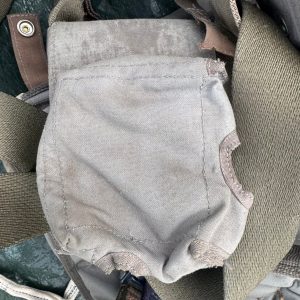
The Aircrew Parachute Harness/Pack – Vulcan & Victor Crew Seats is a specialized military aviation component associated with compatible aircrew seating and emergency equipment configurations.
The Aviation Parachute Harness can offer collectible and restoration value, while the Pilot Parachute Harness should never be judged serviceable from appearance alone.
Every Aircraft Emergency Parachute Harness, Aircrew Safety Harness, Flight Crew Parachute Harness, Emergency Parachute Harness, or Military Aircrew Harness requires individual inspection because age, storage, wear, and modification can affect condition.
Accurate descriptions of Aircraft Crew Safety Equipment and Aircrew Emergency Equipment support better purchasing decisions and stronger SEO performance.
Aircraft Parachute Equipment offers the strongest value when condition, origin, markings, storage history, and intended sale status are disclosed transparently.
Understanding the Vulcan and Victor Aircrew Harness/Pack
A visually similar military parachute harness may not belong to the same aircraft, seat, or operating configuration.
The listing should explain whether the item includes the harness only, pack only, container, straps, fittings, seat connections, release hardware, padding, labels, or additional components.
Aviation Parachute Harness Construction
Webbing can deteriorate through age, ultraviolet exposure, chemicals, moisture, abrasion, mildew, heat, repeated loading, and unsuitable storage.
Reinforced areas near attachment fittings and high-load junctions deserve particular attention.
Military Aircrew Harness Adjustment
The adjustment range should be documented when labels or original information are available.
Buckles and adjusters should move without excessive force, binding, corrosion, cracking, deformation, or damage to adjacent webbing.
Emergency Harness System Integration
The harness alone does not establish the condition or completeness of the complete more info emergency system.
Careful documentation supports restoration research and Aircraft Emergency Parachute Harness preservation.
Maintaining Aircrew Harness Equipment
Accurate identification supports museum displays, restorations, archival records, and specialist collections.
Metal parts should be isolated from materials that may encourage corrosion or staining.
Evaluating a Flight Crew Parachute Harness
Detailed condition reporting creates a more credible and commercially useful listing.
Documented history can add substantial collector value.
Harness Hardware Evaluation
Inspection should begin with the harness laid on a clean, dry, nonabrasive surface under strong lighting.
Signs of deterioration can include fading, stiffness, powdering fibers, frayed edges, stains, mildew, chemical odor, burned areas, torn stitching, corrosion transfer, and damaged labels.
Vulcan and Victor Aircrew Equipment
Original components with clear labels and matching hardware may be particularly desirable for accurate displays.
Displays should limit exposure to bright light, humidity changes, dust, and public handling.
Crew-Seat Escape Equipment
Seat design, parachute pack, harness connections, release mechanisms, crew procedures, aircraft configuration, and survival equipment may all interact.
Reference photographs and manuals may help reconstruct the intended arrangement.
Understanding a Parachute Harness Assembly
The seller should avoid opening sealed or packed equipment without suitable expertise.
Organized documentation also helps future owners continue research.
Historic Aircraft Safety Components
Each item should be identified and evaluated individually because age, storage, configuration, and service history can differ.
Careful preservation supports the long-term value of Aircraft Crew Safety Equipment.
Historic Aircrew Emergency Equipment
Historical context can be as important as cosmetic condition.
Claims about operational readiness should require current professional evidence.
Understanding a Pilot Emergency Parachute System
Any operational consideration requires current evaluation by appropriately qualified parachute personnel.
Collectors should avoid deploying, unpacking, repacking, or load-testing rare equipment without understanding the effect on originality and condition.
Aviation Safety Harness for Display and Collection
Its visual impact is enhanced when straps, pack, fittings, labels, and attachments remain arranged accurately.
Public displays should include clear information explaining the item’s aircraft association, approximate period, purpose, condition, and nonoperational status where appropriate.
Flight Parachute Harness Buying Guide
A collector may prioritize originality and aircraft association, while a restoration buyer may focus on matching fittings and seat compatibility.
Recent professional condition reports may also help buyers evaluate the item.
Aircraft Parachute Equipment Compatibility
Configuration research helps avoid historically inaccurate or technically unsuitable assemblies.
Incorrect routing can damage webbing, bend fittings, or create false wear patterns.
Vulcan and Victor Harness Condition Guide
The seller should disclose cut straps, missing fittings, corrosion, mildew, staining, odors, repairs, modifications, opened packs, and unknown internal contents.
- Verify whether the harness, pack, fittings, connectors, straps, and seat-interface components belong to one original configuration.
- Inspect stitching for broken threads, loose patterns, separation, contamination, fading, and previous replacement.
- Retain purchase records, photographs, provenance documents, packaging, and condition reports with the collection or restoration file.
Parachute Webbing Preservation
The assembly should receive padded support so heavy hardware does not rest directly on aged webbing.
Silica products or humidity-control materials should not contact the harness directly.
Military Aviation Museum Display
The harness should be arranged according to reliable reference material without forcing stiff components into position.
Interpretive material can explain the relationship between the harness, pack, crew seat, aircraft role, and emergency system.
Maintaining Historic Aircrew Parachute Equipment
Conservation decisions should consider both material stability and historical value.
Documentation should record every intervention, added component, cleaning method, and display modification.
Buying Historic Military Aircrew Parachute Equipment
The Aircrew Parachute Harness/Pack – Vulcan & Victor Crew Seats can provide significant restoration, display, research, educational, and collector value when its identity, condition, completeness, and aircraft association are verified.
A qualified parachute professional must evaluate the equipment before any operational consideration, while a conservator or historian may be more appropriate for display-focused projects.
Whether collectors search for an Aviation Safety Harness, Flight Parachute Harness, or Aircraft Parachute Equipment, historical value should remain separate from operational suitability.
With prompt attention to webbing, stitching, hardware, corrosion, labels, pack materials, and storage conditions, the equipment can retain its appearance and research value.
Report this page